Home renovations can completely transform a living space, making it more comfortable, functional, and visually appealing. Planning a renovation carefully saves time, money, and stress. Many people start renovations without a clear plan, which often leads to mistakes and extra expenses.
Understanding what to prioritize and taking practical steps during the process can make a big difference. A successful renovation combines careful planning, the right materials, and skilled professionals to ensure the project meets expectations.
Set a Clear Budget and Stick to It
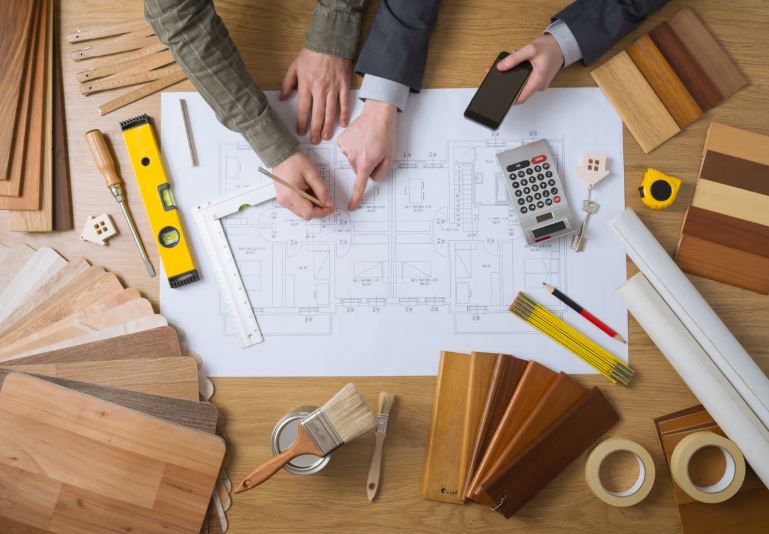
A clear budget is the foundation of every successful renovation. It is important to list all expected costs, including materials, labor, permits, and unexpected expenses. Researching prices beforehand helps in creating a realistic budget.
Sticking to this budget avoids overspending and keeps the project on track. It is also helpful to allocate a small portion of the budget for emergencies, such as repairing hidden damage discovered during renovations.
Hire a Home Inspector
Before starting a renovation, hiring a home inspector can save time and prevent costly mistakes. A home inspector examines the property thoroughly, identifying issues like structural damage, plumbing problems, or electrical hazards. Knowing these problems early allows for proper planning and repairs before starting major renovations.
This step ensures that renovations do not worsen hidden issues and provides peace of mind. A home inspector also gives professional advice on what improvements will increase the home’s value, helping homeowners make informed decisions.
Choose Quality Materials
Choosing quality materials is essential for creating a long-lasting and attractive home. Cheap materials may save money initially but often lead to frequent repairs or replacements. High-quality materials like durable flooring, reliable fixtures, and strong cabinetry improve the overall look and functionality of the home.
Investing in quality materials also increases the property’s value and reduces maintenance in the long term. It is important to research and compare different options, ensuring that materials match both the design style and practical needs of the space.
Consider Installing Composite Decking
Composite decking is a practical choice for outdoor renovations. Unlike traditional wood, composite decking resists rot, warping, and insect damage. It also requires less maintenance and can last for many years without staining or sealing. Installing composite decking enhances the outdoor area, creating a durable and attractive space for relaxation or entertainment.
The wide range of colors and finishes allows homeowners to match the deck with the style of the house. Choosing composite decking combines beauty, durability, and low maintenance for long-term satisfaction.
Plan for Proper Lighting and Ventilation
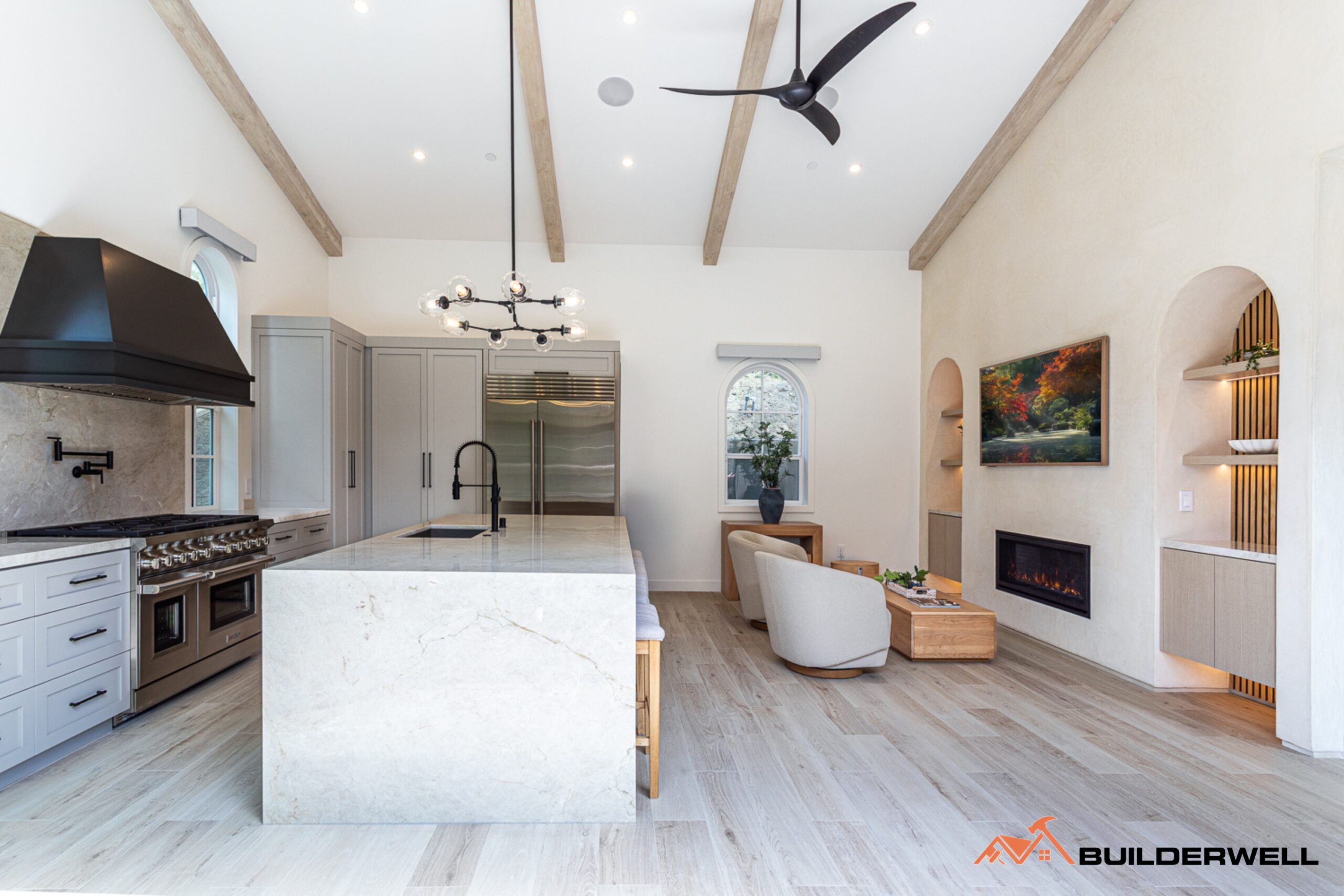
Good lighting and ventilation play a crucial role in home comfort and functionality. Proper lighting brightens spaces, highlights key design features, and creates a welcoming atmosphere. Using a combination of natural light, ceiling lights, and task lighting ensures that every area is well-lit.
Proper ventilation is equally important, as it improves air quality, reduces humidity, and prevents mold growth. Installing windows, vents, or exhaust fans in strategic locations creates a healthier and more comfortable living environment. Renovations that focus on lighting and ventilation enhance both daily living and the home’s long-term value.
Conclusion
Home renovations require careful planning, informed decisions, and attention to detail. Setting a clear budget, hiring a home inspector, choosing quality materials, installing composite decking, and planning proper lighting and ventilation create a strong foundation for a successful renovation.
Each of these steps contributes to a home that is beautiful, functional, and durable. By following these practical tips, homeowners can complete renovations confidently and enjoy spaces that meet their needs and expectations.