Energy-Saving Strategies That Extend the Lifespan of Residential Cooling Units
Summer cooling systems work hardest during peak heat, and inefficient habits can shorten their lifespan while increasing energy bills. Homeowners who adopt smarter usage and maintenance routines can reduce strain on air conditioners, improve indoor comfort, and delay costly replacements. Energy-saving practices are not only about lowering monthly costs but also about preserving long-term HVAC performance and reliability in changing weather conditions.
Many homeowners seek central AC repair in Riverside, CA when their cooling systems start showing reduced efficiency, uneven airflow, or rising electricity bills. However, preventive care and energy-smart habits can often reduce the need for frequent repairs. By combining proper maintenance with daily usage improvements, residential cooling systems can operate more efficiently, last longer, and maintain consistent indoor temperatures throughout the year.
Keep Air Filters Clean for Maximum Efficiency
Air filters play a major role in system performance and energy consumption. When filters become clogged with dust, pollen, and debris, airflow is restricted, forcing the system to work harder than necessary.
Why Clean Filters Matter
Dirty filters reduce airflow, strain internal components, and increase energy usage. Over time, this can lead to overheating, frozen coils, and reduced cooling capacity. Regular filter changes help maintain balanced airflow and protect internal HVAC components from premature wear.
Benefits of Regular Filter Maintenance:
● Improved airflow and cooling efficiency
● Reduced energy consumption
● Longer HVAC system lifespan
● Better indoor air quality
● Fewer repair issues over time
● Lower monthly utility costs
Clean filters are one of the simplest yet most effective ways to improve system performance.
Proper Thermostat Management Reduces System Strain
Thermostat habits directly influence how often your cooling system runs and how efficiently it operates. Incorrect settings can lead to unnecessary cycling and higher energy usage.
Smart Temperature Control Tips
Setting your thermostat at a stable, energy-efficient temperature reduces strain on your AC unit. Programmable or smart thermostats help regulate cooling based on daily schedules, preventing overuse when no one is home.
Homeowners often request central AC repair in Riverside, CA, after noticing inconsistent cooling caused by faulty thermostats or poor temperature control habits. Upgrading to smart controls can improve comfort while reducing system workload.
Regular HVAC Maintenance Prevents Energy Waste
Routine maintenance ensures that cooling systems operate efficiently and safely throughout the year. Without regular servicing, minor issues can develop into larger mechanical failures.
Key Maintenance Tasks
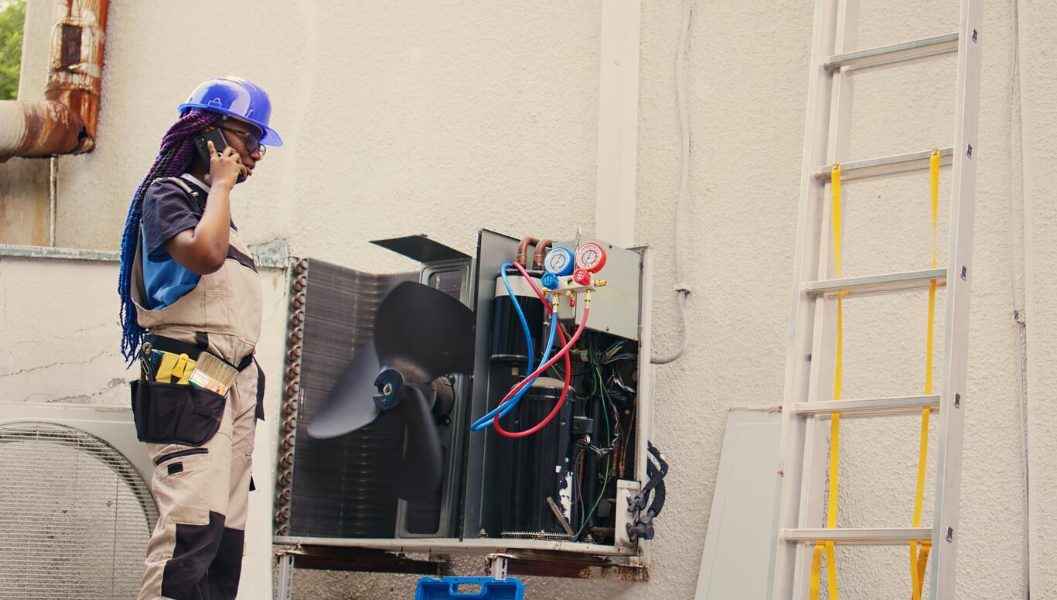
Professional HVAC maintenance includes coil cleaning, refrigerant checks, electrical inspections, and airflow testing. These services help identify early signs of wear before they impact system performance.
Essential Maintenance Practices:
● Annual professional inspections
● Cleaning condenser and evaporator coils
● Checking refrigerant levels
● Inspecting ductwork for leaks
● Lubricating moving parts
● Testing thermostat calibration
Consistent maintenance improves efficiency and extends equipment lifespan significantly.
Seal Air Leaks to Improve Cooling Efficiency
Air leaks in doors, windows, and duct systems allow cooled air to escape, forcing the AC system to work harder to maintain indoor temperatures.
Why Air Sealing Matters
Unsealed gaps increase energy waste and reduce comfort levels. Sealing leaks helps maintain stable indoor temperatures while reducing strain on cooling equipment. This simple improvement can significantly reduce energy bills and improve system performance.
Common Areas to Seal:
● Window frames
● Door edges
● Attic openings
● Duct joints
● Basement gaps
● Electrical outlets
Proper insulation and sealing support more efficient cooling operations.
Shade and Sun Protection Reduce Cooling Load
Direct sunlight increases indoor temperatures, making air conditioning systems work harder to maintain comfort. Managing heat gain is an effective way to reduce energy consumption.
Smart Cooling Load Reduction
Using blinds, curtains, or reflective window films helps block excess heat. Planting trees or installing exterior shading can also reduce direct sun exposure, lowering indoor temperatures naturally.
Energy-Saving Benefits Include:
● Lower cooling demand
● Reduced energy bills
● Improved indoor comfort
● Less strain on HVAC systems
● Longer equipment lifespan
● Better temperature stability
Reducing solar heat gain is a simple but powerful efficiency strategy.
Clean and Maintain Outdoor AC Units
Outdoor condenser units play a vital role in heat exchange. When they become clogged with dirt, leaves, or debris, cooling performance decreases significantly.
Why Outdoor Unit Care Is Important
Restricted airflow around the condenser forces the system to work harder, increasing energy consumption and wear on internal components. Keeping the surrounding area clear ensures efficient heat release and stable operation.
Regular cleaning also helps prevent overheating and system shutdowns during peak summer conditions.
Upgrade Insulation for Better Temperature Control
Insulation helps maintain indoor temperatures by reducing heat transfer between indoor and outdoor environments. Poor insulation increases cooling demand and energy costs.
How Insulation Impacts AC Efficiency
Homes with inadequate insulation lose cooled air more quickly, forcing air conditioners to cycle more frequently. Improving insulation in attics, walls, and crawl spaces helps reduce energy waste and improves overall HVAC efficiency.
Insulation Improvement Benefits:
● Lower cooling costs
● Reduced HVAC workload
● More consistent indoor temperatures
● Improved comfort year-round
● Enhanced system lifespan
● Better humidity control
Proper insulation supports long-term energy savings.
Use Ceiling Fans to Support Cooling Systems
Ceiling fans improve air circulation and help distribute cool air more evenly throughout indoor spaces. This allows homeowners to raise thermostat settings without sacrificing comfort.
How Fans Reduce Energy Usage
Fans create a wind-chill effect that makes rooms feel cooler, reducing the need for continuous air conditioning. This lowers system runtime and decreases overall energy consumption.
Avoid Overworking the Cooling System
Running an air conditioner continuously at extreme settings can shorten its lifespan. Balanced usage habits help maintain long-term efficiency.
Smart Usage Practices:
● Avoid frequent thermostat adjustments
● Allow gradual temperature changes
● Schedule cooling cycles during peak hours
● Close unused rooms
● Reduce internal heat sources
● Maintain consistent settings
These habits reduce wear and improve system durability.
Final Summary
Energy-saving strategies play a crucial role in extending the lifespan of residential cooling systems while reducing monthly utility costs. Clean filters, proper thermostat management, regular maintenance, insulation improvements, and airflow optimization all contribute to better HVAC performance. Homeowners who adopt these practices can reduce the need for frequent central AC repair in Riverside, improve indoor comfort, and ensure long-term system reliability. By combining smart usage habits with preventive care, cooling systems remain efficient, durable, and cost-effective for many years.